How much does a house in Havana cost in 2026?
By Buy House Cuba ·
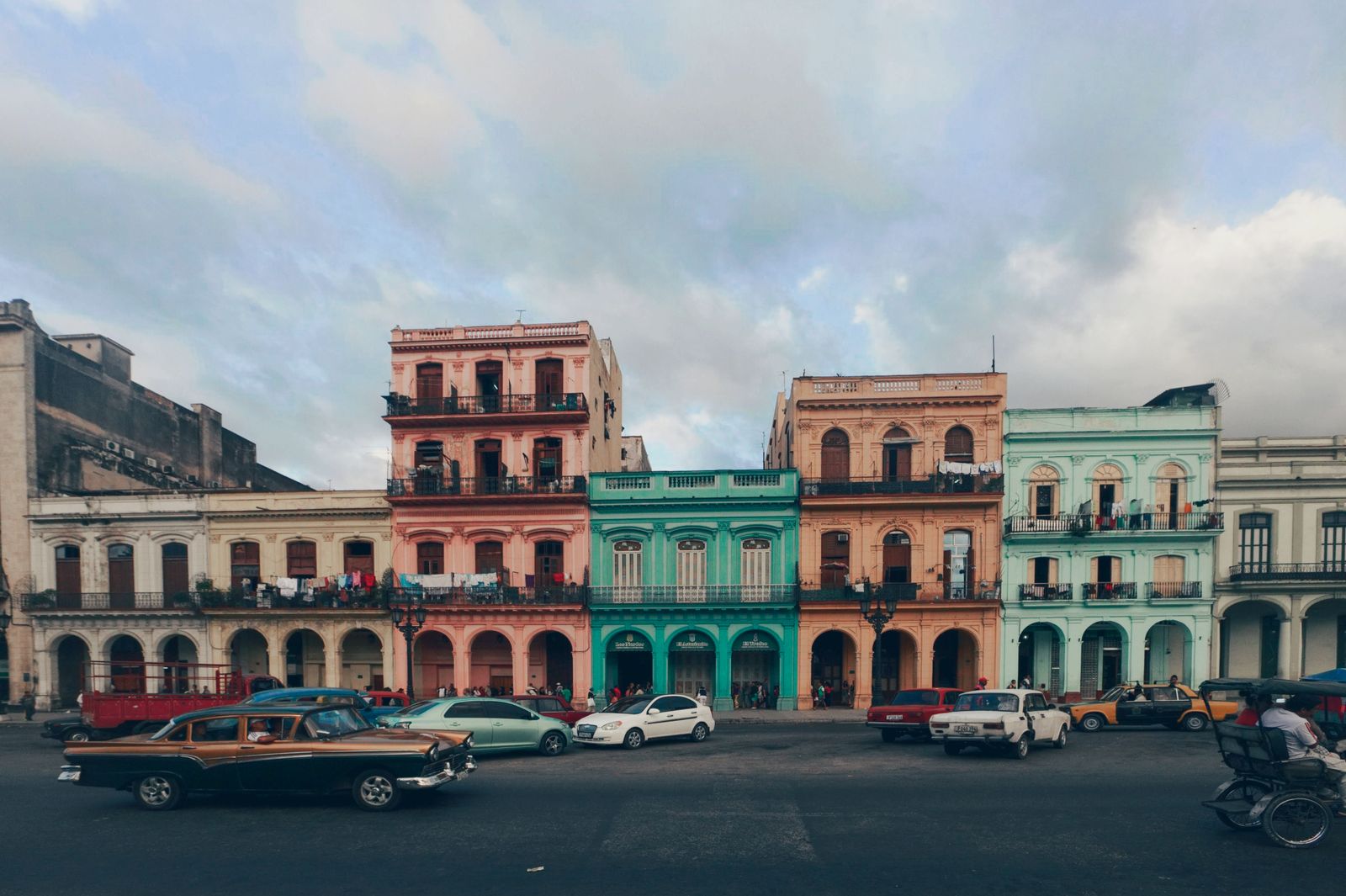
There is no official house price index in Cuba. There is no MLS, no registry of sale prices, and no bank data, because there are no mortgages. What exists are asking prices on classified sites like Revolico and Porlalivre, and the analyses that brokers publish from them. So every number below is an asking price, not a sale price, and every one of them is indicative. With that said, the picture is clearer than most people expect.
Havana asking prices by municipality, May 2026
The most recent broad analysis comes from El Caimán, a Havana listings and brokerage site, published in May 2026. Medians and typical ranges, in US dollars:
| Municipality | Median | Typical range |
|---|---|---|
| Havana, all listings | $48,000 | — |
| Playa (Miramar, Siboney, Santa Fe) | $130,000 | $50,000 – $500,000+ |
| Plaza de la Revolución (Vedado) | $80,000 | $30,000 – $300,000 |
| Habana Vieja | $35,000 | $12,000 – $150,000 |
| 10 de Octubre | $28,000 | — |
| Marianao | $22,000 | — |
| Centro Habana | $20,000 | $8,000 – $70,000 |
| Cerro | $18,000 | — |
| Periphery (La Lisa, Guanabacoa, Regla, San Miguel and others) | $15,000 | $6,000 – $60,000 |
Five municipalities, Plaza, Playa, Centro Habana, Habana Vieja and 10 de Octubre, account for about 80% of activity. Closings can take 45 to 120 days or more, because every transfer goes through a notary and the Property Registry, and payment has to move through a Cuban bank.
The spread inside each municipality can be enormous. A Miramar mansion and a Miramar one-bedroom are both in “Playa.” Waterfront houses in Siboney and Santa Fe can list for $1.5 to $2 million, the top of the whole market, while apartments elsewhere in the same municipality start around $50,000.
For a longer baseline, elTOQUE analyzed 7,852 Havana listings from Porlalivre and Revolico in 2023 and found an average asking price of $49,200, up 19% from 2022, ranging from under $2,000 in outer neighborhoods like Diezmero to $1.5–2 million on the western coast. The cheapest municipalities, La Lisa, Guanabacoa, Regla and San Miguel del Padrón, had listings under $3,000.
Why are Havana prices lower than in 2016?
Cuba legalized private home sales in November 2011. There were about 80,000 sales in the first eleven months of 2013, and prices climbed, peaking in 2015–16 around Barack Obama’s March 2016 visit to Havana. That, as of now, was the peak in both dollar terms and foreign interest.
Then three things changed in a quick sequence.
- The US rolled back the opening in 2017.
- The pandemic closed the island in 2020.
- From 2021, the largest emigration wave in Cuban history, more than 850,000 people to the US alone by 2023, flooded the market with sellers who, as one Havana report put it, were in a hurry “to have the money to emigrate.” Under the old housing law, a home left behind by a permanent emigrant was confiscated, so people sold at whatever they could get.
The numbers are dramatic. Three-bedroom Havana apartments that listed for $30,000–36,000 in 2015–16 were under $25,000 by early 2023. A Vedado or Miramar property worth around $50,000 in 2018 was typically listed at $20,000–25,000 in 2025, a real decline of half or more.
If you look at prices in Cuban pesos, they went up. That is only because the peso collapsed, from 25 for every US dollar in 2018 to more than 700 on the street in September 2026. In the currency people actually use for houses, Havana is 40–50% below its peak.
Who is buying in Havana in 2026?
Since 2011, much of the money in the Havana market has come from abroad, sent by Cubans living outside the island. Brokers describe Cuban-Americans as “essential” to current demand.
This spring brought the first real change in years. In April 2026, Havana brokers reported renewed interest and rising prices in Miramar, Nuevo Vedado and Vedado, still 40–50% below 2015–16 levels but moving; one broker, Yovanni Cantillo, described “a recovery in its flow, in its dynamics.” The buyers are emigrants, resident foreigners and Cuban-Americans betting, in the phrase everyone uses, that “vienen cambios,” changes are coming. One construction entrepreneur, Luis Mijail López, put it plainly: “the market is moving on expectations,” not supply and demand.
Note who can legally buy in that group: Cuban citizens on the island and permanent residents. A US person cannot lawfully buy, and the Cuban-Americans in the market are usually buying through relatives, which leaves them with no enforceable claim. We cover whether Americans can buy property in Cuba here.
What would you actually be getting?
The housing stock is in bad shape, and that is the part price tables hide. In July 2025, the Ministry of Construction told the National Assembly that Cuba’s housing deficit exceeds 800,000 homes, that about 35% of the existing stock, 1.4 million units, is in fair or poor condition, and that against a 2025 plan of 10,795 new homes, 2,382 had been built by mid-year. A June 2026 figure put the deficit at 929,000. Building collapses in Havana are routine enough to have their own word, derrumbes.
Cement, rebar and electricity are all scarce; the grid collapsed island-wide at least six times in 2026. Renovating a $35,000 Habana Vieja apartment can cost more than the apartment. In any scenario where the market eventually opens to outside buyers, most of the upside is in land and location, not in the structure you would be paying for.
What could a Havana house be worth?
That depends entirely on which scenario Cuba follows, and there are several. Our estimator takes the median for a neighborhood and applies the growth rates that comparable markets actually saw after they opened, from the Dominican Republic’s steady 6–10% a year to Myanmar’s spike and bust. The market comparisons are laid out here. The free report includes it all with sources, and we update it when the numbers change.
Sources
- El Caimán, “Casas en venta en La Habana, Cuba”, May 14, 2026
- elTOQUE, “Venta de casas en La Habana: desde menos de dos mil hasta un millón de dólares”, August 2023
- Gaceta Oficial de Cuba, Decree-Law 288 (2011)
- Brookings, Phil Peters, “Cuba’s New Real Estate Market”
- 14ymedio, “Se hunden los precios de las casas en Cuba, donde todos venden y nadie compra”, January 2023
- Cubanos Inmobiliaria, “Precios de viviendas en Cuba 2025: análisis real”
- AFP via KDH News, “Havana property market stirs as investors bet on political change”, April 2026
- Infobae, “El mercado inmobiliario de La Habana se reactiva por expectativas de reformas”, April 24, 2026
- Directorio Cubano, “Mayor interés por comprar casas en Cuba”, April 25, 2026
- CiberCuba, “Cuba needs over 800,000 homes”, July 15, 2025; “La nueva Ley de Vivienda refuerza el control estatal”, June 8, 2026; “Nueva desconexión total del Sistema Eléctrico Nacional”, August 3, 2026
- The Rio Times, “Cuba’s informal dollar rate hits 730 pesos”, September 2026
- PBS NewsHour, “Trump reverses Obama Cuba policy”, June 2017
- Wikipedia, “2021–2023 Cuban migration crisis”
Get the free report on Havana property values
Not yet. Get the free report on what Cuban property could be worth when that changes, and be first to know when it does.